



In the early 1990s, Lithuania emerged as an independent nation following the collapse of the Soviet Union, and with it came the reformation of the Lithuanian national basketball team. Basketball had long been a symbol of national pride in Lithuania, but the newly independent nation faced significant financial challenges, particularly in supporting its basketball team’s participation in the 1992 Barcelona Olympics.
Lithuania’s basketball legacy was strong, with several of its players, including Arvydas Sabonis, Šarūnas Marčiulionis, and Rimas Kurtinaitis, having previously played for the Soviet Union’s team that won the gold medal in the 1988 Seoul Olympics. However, with independence came the challenge of funding a national team without the financial support of the Soviet state. Lithuania was a young country, economically struggling, and the cost of sending a team to the Olympics was daunting.
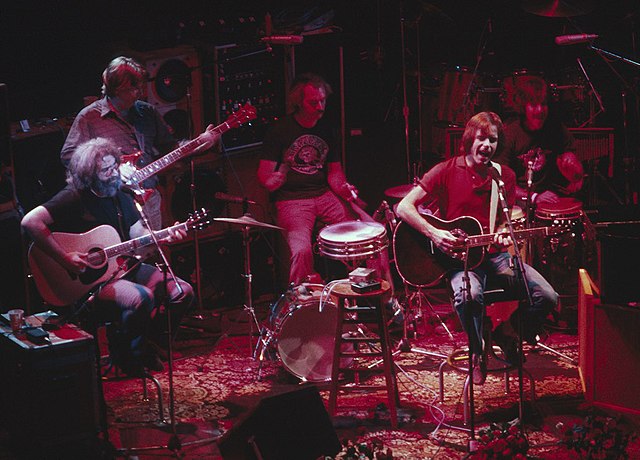
Enter the Grateful Dead, the iconic American rock band known for their eclectic music and devoted fanbase. The band’s connection to Lithuania’s basketball team began with Šarūnas Marčiulionis, who played in the NBA for the Golden State Warriors and had become acquainted with members of the Grateful Dead through mutual friends in California. When the band learned of Lithuania’s plight, they were moved by the story of a nation trying to assert its independence through sport.
The Grateful Dead not only provided financial assistance but also designed the now-famous tie-dye uniforms that became a symbol of Lithuanian pride. The uniforms, featuring the Lithuanian colors and a skeleton dunking a basketball, were a vivid representation of both the band’s psychedelic style and Lithuania’s resilient spirit. The Grateful Dead’s support enabled Lithuania to field a team in the 1992 Olympics, where they won the bronze medal after defeating the Unified Team, composed of players from the former Soviet Union.
This event was more than just a sports story; it was a powerful example of how cultural diplomacy and sports intersected on the geopolitical stage. Lithuania’s victory in Barcelona was not just a triumph on the court but also a statement of national identity and resilience. The Grateful Dead’s involvement added a unique twist to the story, blending American counterculture with Eastern European determination, and solidifying a bond between the band and a nation striving for recognition on the world stage.
This moment in history is remembered as a symbol of the unifying power of sports and the unexpected alliances that can emerge in the pursuit of freedom and national pride.