



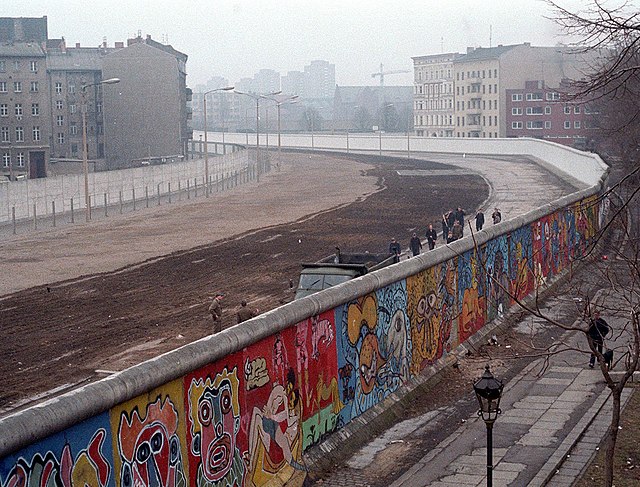
The separation of Germany after World War II had profound implications for all aspects of German life, including sports. Basketball, though not as popular as soccer in the country, was still a significant sport that mirrored the geopolitical divide between East and West Germany. From 1949 until reunification in 1990, the two German states—West Germany (Federal Republic of Germany) and East Germany (German Democratic Republic)—competed separately in international basketball tournaments, each representing its own political and ideological stance on the global stage.
Basketball in West Germany
West Germany’s national basketball team emerged as a relatively strong competitor in European basketball during the Cold War era. Governed by the Deutscher Basketball Bund (DBB), the West German team participated in FIBA Europe events and the Olympic Games. Despite facing stiff competition from more established basketball nations, the team made significant strides, particularly in the 1980s. One of the highlights for West Germany was its performance at the 1984 Summer Olympics in Los Angeles, where the team reached the quarterfinals, marking one of its best achievements in international competition. West Germany also participated in several FIBA World Cups and EuroBasket tournaments, consistently striving to improve its standing in the basketball world.
Basketball in East Germany
In East Germany, basketball was promoted by the state as part of its broader sports program, which aimed to demonstrate the superiority of the socialist system through athletic success. The East German national team, governed by the Deutscher Turn- und Sportbund (DTSB), also competed in FIBA events, though with less success compared to their counterparts in the West. East Germany’s basketball team struggled to achieve significant international success, often overshadowed by the more dominant basketball powers in the Soviet Union and Eastern Europe. Despite these challenges, the team continued to participate in EuroBasket tournaments, and their presence was a statement of East Germany’s commitment to competing on the global stage, even in sports where they were not traditionally strong.
The Path to Reunification
The fall of the Berlin Wall in 1989 marked the beginning of the end of the division between East and West Germany. As the two nations moved towards reunification, the sports world also began to merge. In basketball, this meant the integration of players, coaches, and resources from both sides of the former divide. The reunification of Germany in 1990 was a significant moment for German basketball. The newly unified German national basketball team, governed by the DBB, faced the challenge of bringing together players from two different systems with varying levels of international experience. Despite these initial challenges, the unified team quickly began to find its footing.
Post-Reunification Success
The reunified German national basketball team made its debut in international competition at the 1992 Summer Olympics in Barcelona. The team’s participation symbolized a new era for German basketball, one in which the country could draw on a broader pool of talent and experience. One of the most notable achievements for the unified German team came in 1993, when Germany hosted and won the EuroBasket championship. This victory was a historic moment for German basketball, marking the first time the country had claimed the European title. The tournament showcased the potential of a unified Germany and solidified its place as a competitive force in international basketball. In the years following reunification, Germany continued to develop its basketball program, producing world-class players like Dirk Nowitzki, who would go on to have a legendary career in the NBA and lead Germany to a bronze medal at the 2002 FIBA World Cup.
The Legacy of a Divided Basketball History
The period of separation between East and West Germany left a unique legacy in the country’s basketball history. The reunification process not only brought together two basketball systems but also fostered a new sense of national pride and unity. The challenges and successes of the unified German team in the years following reunification serve as a testament to the resilience of the sport in the face of political and social upheaval.
Today, Germany continues to build on this legacy, with its basketball team regularly competing in international tournaments and striving to uphold the strong tradition established during the years of division and after reunification. The story of basketball in Germany, from division to unity, reflects the broader journey of the nation itself—one of overcoming challenges, bridging divides, and achieving success on the world stage.