



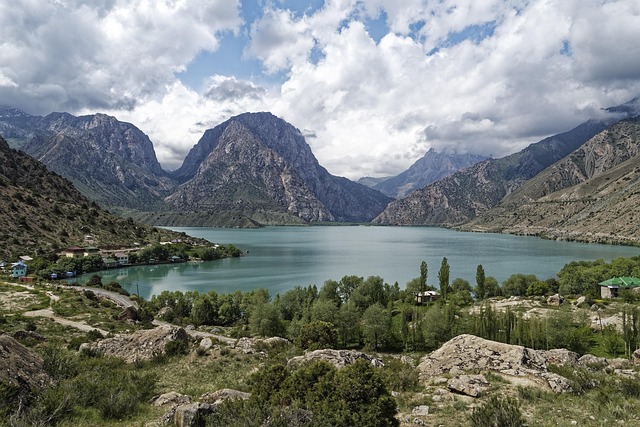
When we think of Tajikistan, our minds might gravitate towards its mountainous landscapes, Silk Road heritage, and vibrant Persian-influenced culture. Yet beyond its scenic beauty and traditions, Tajikistan boasts a developing basketball scene that reflects the nation’s growing enthusiasm for global sports. From its early Soviet-era introduction to its ongoing grassroots revival, basketball in Tajikistan tells a story of adaptation, perseverance, and national pride.
A Historical Slam Dunk: The Origins of Basketball in Tajikistan
Basketball arrived in Tajikistan during the mid-20th century under Soviet influence, when organized sports became a key part of educational and community life. The game was introduced in Dushanbe and other urban centers, where Soviet-trained coaches promoted basketball through schools and youth clubs. The sport became part of a broader athletic framework, emphasizing teamwork and discipline.
The Basketball Federation of Tajikistan (BFT) was formally established in 1992, following the country’s independence from the Soviet Union. This marked a pivotal moment for the sport’s national identity, as Tajikistan sought to establish its own athletic institutions. Over time, the national team participated in regional Central Asian tournaments, earning respect for its commitment and technical skill despite limited resources.
Challenges and Triumphs: The Modern Era of Tajikistan Basketball
The modern development of basketball in Tajikistan has faced significant challenges. Infrastructure remains limited, with few indoor arenas and a shortage of professional-grade equipment. Football continues to dominate the sporting landscape, leaving basketball to rely on dedicated local enthusiasts and volunteer coaches.
Despite these constraints, basketball has endured through community-based leagues and youth initiatives. The Tajik Basketball League, restructured in the 2010s, brought renewed organization and visibility to the sport. Clubs such as Dushanbe BC and Pamir Basketball Club have provided platforms for emerging players and helped generate local rivalries that energize fans.
Basketball Culture in Tajikistan Today: A Passionate Community
Today, basketball in Tajikistan is sustained by its grassroots community. Urban youth in Dushanbe, Khujand, and Kulob often play on outdoor courts, where passion compensates for limited facilities. National tournaments and university competitions serve as key development pathways for talented players.
The Tajik national team, informally known as the “Mountain Eagles,” represents the country in FIBA Asia competitions, showcasing Tajikistan’s persistence on the international stage. Global basketball exposure—through televised NBA games and social media—has also inspired a new generation of fans and players eager to learn from international stars.
Beyond the Game: Reflections on Tajikistan Basketball
Basketball in Tajikistan is more than a sport—it represents unity, ambition, and progress. Its growth amid economic and logistical challenges underscores the resilience of the Tajik people and their ability to adapt global traditions to local realities. Coaches and athletes alike see the game as a means of community building, discipline, and youth engagement.
The sport’s grassroots base continues to expand, driven by educators and civic leaders who view basketball as a bridge between local identity and global connection. Each dribble and shot reflects the broader story of Tajikistan’s perseverance and cultural renewal.
Conclusion: Tajikistan Basketball Outlook
Basketball in Tajikistan continues to evolve, standing as a symbol of determination and optimism. From its Soviet-era introduction to its present grassroots resurgence, the sport has carved a meaningful place in the nation’s athletic life. With growing youth interest, increasing organizational support, and regional partnerships through FIBA Asia, Tajikistan’s basketball future looks bright.
The game embodies the spirit of Tajikistan itself—resilient, proud, and striving for new heights on the global stage.