South Sudan basketball emergence matters because it turned one of the world’s youngest countries into one of the most compelling stories in international basketball. South Sudan gained independence in 2011, but its men’s national team quickly moved from new arrival to Olympic qualifier, using a roster shaped by diaspora talent, NBA experience, and the leadership of Luol Deng. The rise was not only about winning games. It gave South Sudan a visible place in a global basketball conversation often dominated by older federations, deeper infrastructures, and wealthier programs. By the time the Bright Stars reached the 2024 Paris Olympics, their success had become a national symbol as much as a basketball achievement.
A New Country Built a Basketball Identity Through Its Diaspora
South Sudan did not have the usual foundation of an international basketball power. The country was young, its sports infrastructure was still developing, and many of its best players had grown up or trained outside its borders. That could have made building a national program difficult. Instead, it became part of the team’s identity.
South Sudan’s basketball story is closely tied to migration, displacement, and diaspora connection. Players with South Sudanese roots developed in Australia, the United States, Canada, Europe, and other basketball systems before coming together under one national flag. That gave the Bright Stars an unusual mix: a new federation with limited domestic infrastructure, but a player pool connected to some of the world’s strongest basketball environments.
Luol Deng became the central organizing figure. After a long NBA career, Deng took on a leadership role with the South Sudan Basketball Federation and helped give the program credibility, direction, and international basketball knowledge. His role mattered because South Sudan needed more than talented players. It needed structure. It needed relationships. It needed someone who understood both elite basketball and the symbolic weight of representing a new country.
That combination made South Sudan different from a traditional underdog. The program was not built slowly through decades of Olympic near-misses. It rose quickly because it could connect a scattered basketball community to a shared national project. The court became a meeting point for a country and its diaspora.
South Sudan Basketball Emergence Reached the World Stage Quickly
The Bright Stars’ rise moved faster than almost anyone expected. South Sudan made its AfroBasket debut in 2021, then reached the 2023 FIBA Basketball World Cup, where the team became one of the tournament’s most important stories. At the World Cup, South Sudan finished as Africa’s top team, earning qualification for the 2024 Paris Olympics.
That achievement changed the scale of the story. South Sudan was no longer just an inspiring new team. It had earned its place on the Olympic floor.
The world saw that more clearly in July 2024, when South Sudan nearly beat Team USA in a pre-Olympic exhibition in London. The United States won 101-100 after a late LeBron James basket, but the narrow margin gave the Bright Stars a new level of global attention. South Sudan had pushed the most famous basketball team in the world to the final seconds. That game did not count in the standings, but it counted in perception.
Then came the Olympic debut. South Sudan opened its Paris tournament with a 90-79 win over Puerto Rico, the first Olympic basketball victory in the country’s history. The result mattered because it showed that the London exhibition was not a one-night surprise. South Sudan had size, rebounding, athleticism, guard play, and belief. It could compete in a group that also included the United States and Serbia.
Even after losses to the United States and Serbia, South Sudan left Paris with a stronger basketball reputation than it had brought in. The Bright Stars did not medal, but they had already crossed a different threshold. They had shown that the program belonged in serious international basketball conversations.
What South Sudan’s Rise Means for African Basketball
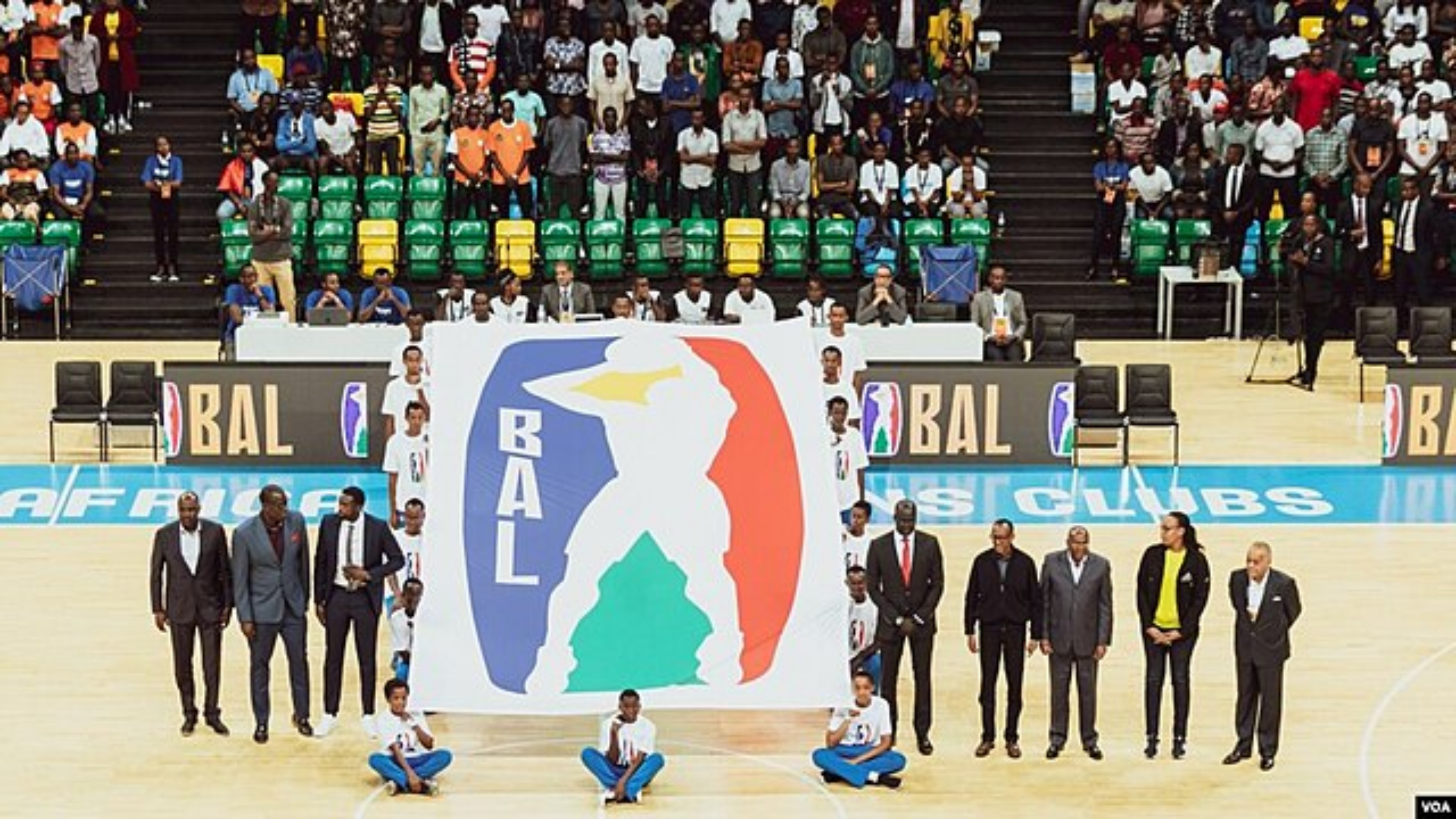
South Sudan’s rise matters beyond one tournament cycle. It added another major story to African basketball’s growth, alongside the NBA’s investment in Africa, the Basketball Africa League, and the increasing number of African-born and African-descended players shaping the global game.
The team also expanded what African basketball success could look like. Nigeria had already shown the power of diaspora-driven roster building. Angola had long been one of the continent’s traditional powers. Senegal, Tunisia, Egypt, and others had built their own histories. South Sudan entered that landscape with a different profile: a new nation, a young federation, and a team assembled through global South Sudanese connections.
That model has real meaning. It shows how national basketball identity can form even when players grow up across borders. It also shows how international basketball can give a young country a platform that is difficult to build in other arenas. For South Sudan, the Bright Stars became a way for the world to see the country through talent, teamwork, and possibility.
The next step is sustainability. Olympic qualification was a breakthrough, but long-term success will depend on youth development, coaching, facilities, federation stability, and domestic opportunity. The emergence created attention. The challenge now is turning attention into a pipeline.
South Sudan basketball emergence is already one of the defining international basketball stories of the 2020s. The Bright Stars gave a young country an Olympic moment, but the larger legacy may be what comes next: a program that turns diaspora pride into lasting basketball infrastructure.