The NBA dress code mattered because it turned clothing into a public argument about who controlled the league’s image. Introduced before the 2005–06 season under commissioner David Stern, the policy required players to wear business or conservative attire during many team and league activities. On the surface, it was about professionalism. In practice, it became a flashpoint over race, hip-hop culture, player expression, corporate branding, and the NBA’s effort to reshape its public identity after a turbulent period. The policy did not stop player fashion from shaping the league. It helped make that fashion more visible, more intentional, and eventually more powerful.
The NBA Dress Code Arrived During an Image Crisis
The NBA dress code came at a moment when the league was trying to stabilize its public image. The early 2000s were filled with extraordinary talent, but the league was also dealing with a growing perception problem. The 2004 Malice at the Palace, when a fight between players and fans spilled into the stands during a Pacers-Pistons game, became the most visible symbol of that concern. It did not create every debate around the NBA’s image, but it intensified them.
Stern had spent years building the NBA into a global entertainment property. By the mid-2000s, the league was no longer just selling games. It was selling stars, television packages, sponsorships, shoes, jerseys, and a carefully managed public identity. The league wanted its players to look more polished in arenas, on team flights, during interviews, and at public-facing events.
The dress code banned items such as sleeveless shirts, shorts, chains worn over clothing, sunglasses indoors, headphones during media availability, and other casual or streetwear-associated pieces in certain league settings. Players were expected to wear business casual clothing, dress shoes, sweaters, collared shirts, sport coats, or similarly professional attire when representing their teams.
The reaction was immediate because the rule reached beyond fabric. To many players and fans, the policy felt like a judgment on the culture players were bringing into the league. Hip-hop style, jewelry, throwback jerseys, baggy jeans, and streetwear had become part of basketball’s public language. Allen Iverson was the most visible figure in that conversation, but he was not alone. The rule seemed to target a broader style that was closely connected to younger Black players and the culture surrounding the game.
That is why the dress code became bigger than wardrobe. It asked a deeper question: could the NBA market its players as authentic cultural figures while also asking them to soften the parts of that culture that made corporate partners uncomfortable?
Players Turned Restriction Into a New Fashion Era
The dress code did not remove style from the NBA. It changed the arena where style happened.
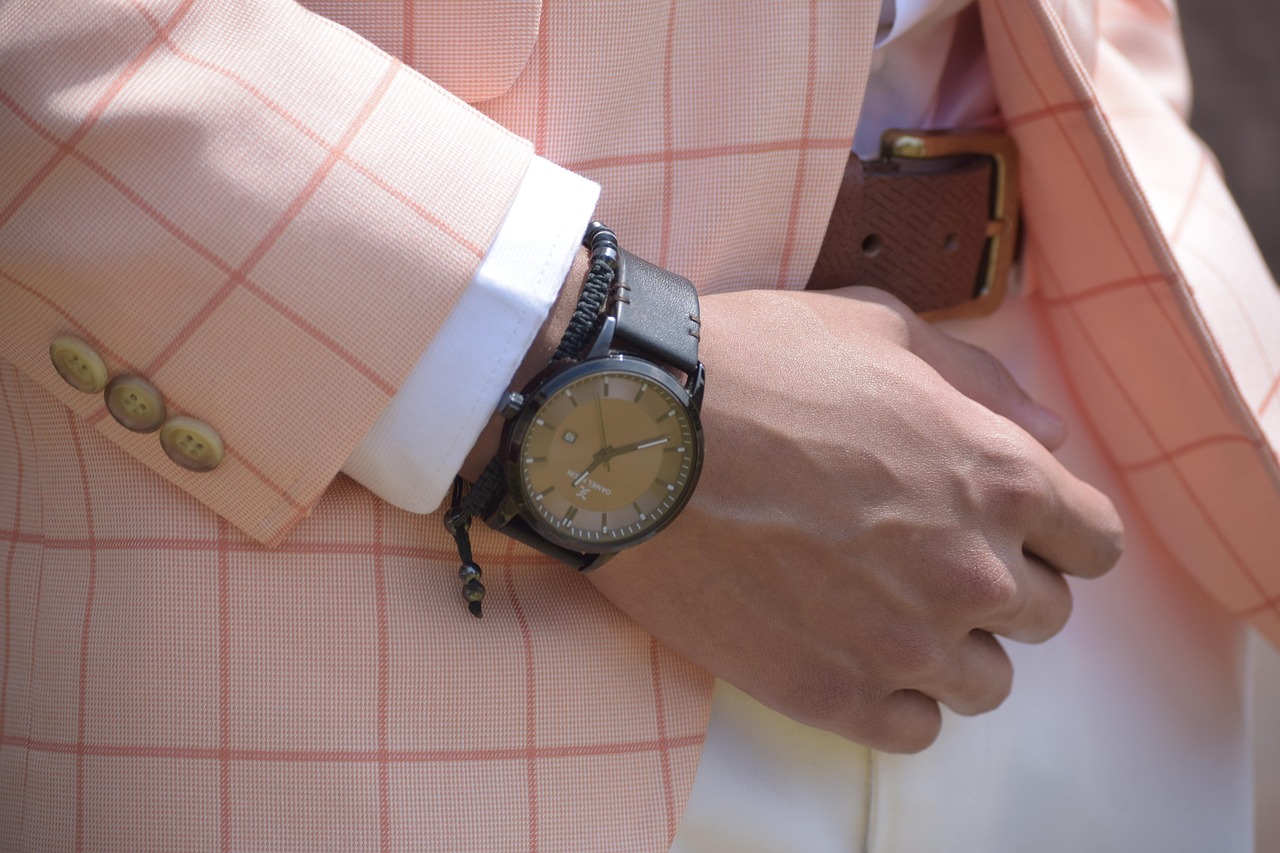
Players adapted quickly. If they had to dress up, many did it with precision, personality, and ambition. Suits became sharper. Accessories became more deliberate. Tailoring became part of the player image. Over time, NBA arrivals and press conferences became fashion stages in their own right. The tunnel walk, now a major part of basketball media culture, grew from the same tension between league image control and player self-expression.
This shift did not happen all at once. In the beginning, many players saw the policy as restrictive. It limited the clothing language that had helped connect basketball to hip-hop, streetwear, and youth culture. But players eventually used the new rules to build a different kind of visual identity. They did not abandon fashion. They elevated it into another form of personal branding.
Dwyane Wade, LeBron James, Chris Paul, Amar’e Stoudemire, Russell Westbrook, and later many younger stars helped turn NBA fashion into a central piece of league culture. Westbrook especially became associated with bold, experimental clothing choices, showing how far the league had moved from a narrow idea of professionalism. What began as a policy designed to standardize appearance eventually helped create a more visible fashion ecosystem.
The business side followed. Players became regular presences at fashion shows. Brands began treating NBA stars as style influencers, not just athletes. League coverage expanded beyond box scores and highlights to include arrivals, outfits, and off-court presentation. The NBA player became a full public figure: athlete, brand, cultural signal, and fashion subject.
The irony is that the dress code tried to control the league’s look, but it also pushed players to become more sophisticated in how they used clothing. Style did not disappear from basketball. It became more strategic.
How the Dress Code Changed the League’s Power Conversation
The legacy of the NBA dress code is not just that players started wearing better suits. Its real legacy is that it revealed how much of modern basketball depends on image, identity, and control.
For the league, the dress code represented a commissioner’s effort to protect the NBA’s commercial future. Stern believed presentation mattered. He wanted the league to appeal to sponsors, television partners, and a broad national audience. From that perspective, the dress code was part of a larger brand-management strategy.
For many players, the policy represented something different. It felt like an attempt to regulate their cultural identity at a time when the league was profiting from their talent, charisma, and connection to younger audiences. The rule became part of a larger conversation about who gets to define professionalism and whose version of respectability becomes official.
That tension still matters. The modern NBA is built on player personality more than almost any other American sports league. Players drive conversation through fashion, podcasts, social media, activism, business ventures, and public style. The league now benefits from the same individuality that once made executives uneasy.
The dress code also helped set the stage for a more player-driven era. It came before The Decision, before the social media explosion, before the tunnel walk became a content category, and before players had the same direct access to fans that they have now. In hindsight, the policy sits at the edge of two NBA worlds: one where the league tried to manage player image from the top down, and one where players increasingly controlled their own public identities.
The NBA dress code remains important because it marked a turning point in how basketball talked about appearance. It showed that clothing could carry questions about race, culture, business, and power. The policy was designed to make players look more professional, but its lasting impact was more complicated. It helped push NBA fashion into the spotlight and made player identity a bigger part of the league’s story.