The And1 Mixtape Tour mattered because it gave streetball a national platform at the exact moment basketball culture was expanding beyond box scores and arena highlights. It connected playground creativity, hip-hop aesthetics, VHS and DVD distribution, cable television, and a new kind of basketball celebrity. The tour did not replace the NBA, and it did not need to. Its importance came from showing that basketball influence could come from outside the league’s formal structure. Handles, nicknames, crowd reactions, mixtape edits, and one-on-one humiliation became part of the sport’s wider language. The And1 Mixtape Tour helped turn streetball from a local proving ground into a visible piece of modern basketball culture.
Streetball Already Had Its Own Stars Before the Cameras Arrived
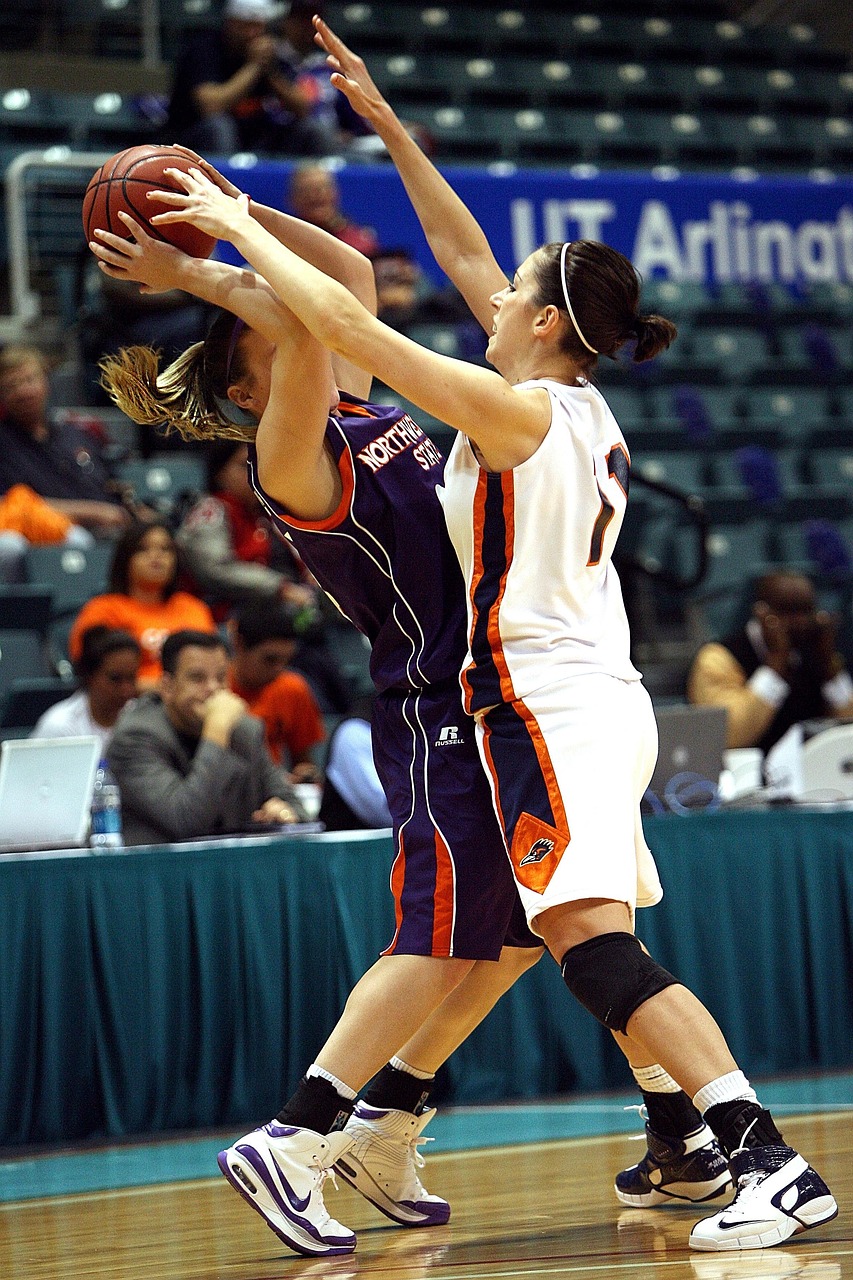
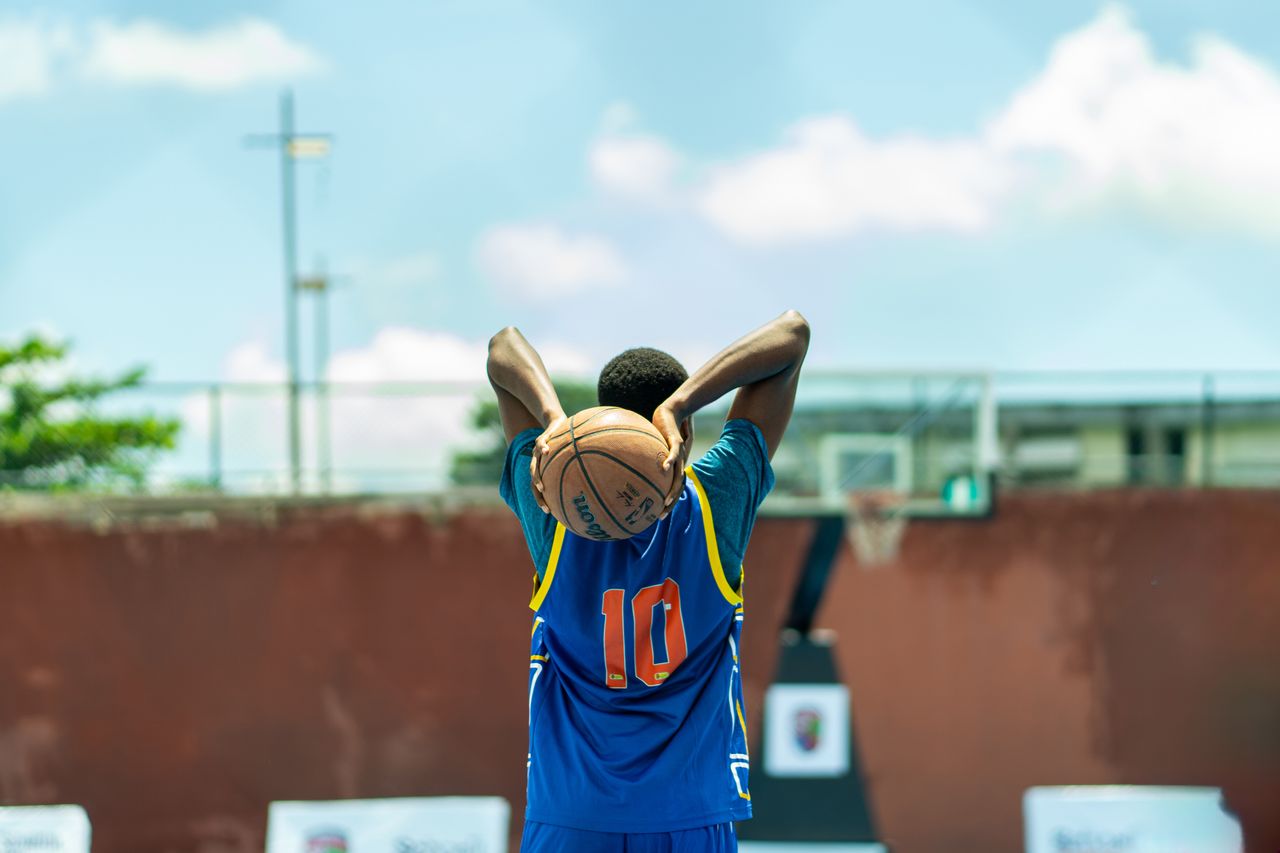
The And1 Mixtape Tour did not invent streetball. Outdoor courts, summer leagues, playground reputations, and local legends had been central to basketball culture for decades. Cities like New York, Philadelphia, Chicago, Washington, D.C., Los Angeles, and Baltimore had long produced players whose reputations traveled through word of mouth before they ever reached a national audience.
That was one of streetball’s defining qualities. A player could become famous in a neighborhood, a borough, or a summer tournament without becoming a household name. The game was local, immediate, and personal. A great move did not need a broadcast crew to matter. It needed witnesses. It needed a defender left off balance, a crowd reaction, and someone willing to retell the moment later.
The NBA had always borrowed from that world. Ballhandling, improvisation, trash talk, pace, and creativity moved from playgrounds to organized basketball and back again. But before the mixtape era, much of that culture remained difficult to capture. The best streetball moments were often temporary. They happened on asphalt, in crowded gyms, or at summer runs where the audience understood exactly what it had seen, even if the wider basketball world never did.
And1 arrived at a time when basketball style was already changing. Allen Iverson had brought crossover culture, hip-hop aesthetics, and smaller-guard fearlessness into the NBA spotlight. Sneaker culture had made basketball identity more visual. Highlight tapes were becoming easier to distribute. The sport was ready for a format that treated playground creativity as the main event rather than a side note.
The And1 Mixtape Tour Turned Playground Style Into a National Show
The And1 Mixtape Tour became powerful because it translated streetball energy into a format people could watch, replay, and share. Players such as Rafer “Skip to My Lou” Alston, “Hot Sauce,” “The Professor,” “AO,” “Main Event,” and “Escalade” became recognizable not just because they could play, but because they had distinct styles and identities. The tour understood that basketball was not only about scoring. It was also about rhythm, reaction, personality, and control.
The games had a different logic from traditional pro basketball. A clever handle could matter as much as a made jumper. A pass could become the highlight. A defender getting turned around could become the moment everyone remembered. The crowd was not just watching the scoreboard; it was responding to creativity in real time.
That format made the tour feel closer to performance, but it was still rooted in basketball skill. The best And1 players had elite handle, body control, passing imagination, and the confidence to try moves that would have been discouraged in more structured settings. What made the tour compelling was the tension between freedom and ability. The tricks worked because the players had the skill to make them believable.
The media format mattered just as much as the games. The mixtapes gave streetball a repeatable mythology. A move could travel far beyond the court where it happened. A player’s nickname could become a brand. A sequence could be watched by young players who then tried to copy it in gyms, driveways, and playgrounds. The tour helped create a feedback loop: streetball influenced the mixtapes, the mixtapes influenced young players, and those players brought the moves back into their own basketball worlds.
Why And1 Still Matters to Basketball Culture
The legacy of the And1 Mixtape Tour is not that the NBA became streetball. Organized basketball still values spacing, defense, shot selection, and structure. But the tour helped change what fans and young players considered exciting, marketable, and worth imitating. It made handles feel like a central part of basketball identity.
That influence can be seen in the way modern basketball highlights are consumed. Short clips, viral moves, player edits, and personality-driven basketball content all owe something to the mixtape era. The And1 Tour showed that a basketball moment did not have to come from an NBA game to shape the culture. A move could become famous because it looked different, felt original, and traveled well on video.
The tour also gave visibility to players who might not have fit traditional professional pathways. Some had overseas careers. Some became trainers, entertainers, or basketball personalities. Some became symbols of a style rather than long-term league stars. That matters because basketball culture has never belonged only to the highest professional level. The sport has always had multiple stages: the NBA, college gyms, international leagues, summer runs, playground courts, and local tournaments.
The And1 Mixtape Tour connected those stages for a wider audience. It reminded fans that basketball’s creativity often comes from places outside the formal spotlight. It gave streetball a commercial platform, but it also preserved part of the game’s improvisational spirit.
The And1 Mixtape Tour remains important because it captured a version of basketball that was expressive, portable, and deeply connected to the playground. Its biggest legacy is not one player, one move, or one game. It helped prove that basketball culture could be built anywhere a crowd gathered and the ball started bouncing.