Lakers-Celtics as American basketball mythology begins with a simple fact: no NBA rivalry has carried more history, contrast, star power, and symbolic weight. The Boston Celtics and Los Angeles Lakers are not just two successful franchises. They became opposing basketball ideas: East Coast and West Coast, old dynasty and glamour franchise, team structure and superstar spectacle, parquet floor and Hollywood lights. Their rivalry helped define the NBA across multiple eras, from Bill Russell and Elgin Baylor to Magic Johnson and Larry Bird to Kobe Bryant, Paul Pierce, and Kevin Garnett. The league’s national identity grew around their collisions because Lakers-Celtics made basketball feel like more than standings. It made the NBA feel like an ongoing American story.
Boston and Los Angeles Became Opposite Ends of the NBA Map
The Celtics and Lakers did not begin as equal symbols. Boston built the NBA’s first great championship machine. Under Red Auerbach, the Celtics became the league’s model of continuity, defense, depth, and team identity. Bill Russell anchored a dynasty that turned winning into a standard rather than a surprise. Boston’s image was tied to the parquet floor, the old Garden, banners, and a serious-minded basketball culture that valued sacrifice and collective execution.
The Lakers carried a different kind of identity. The franchise began in Minneapolis, where George Mikan made the Lakers the NBA’s first major power. After the move to Los Angeles, the team gradually became the league’s glamour franchise. Elgin Baylor brought aerial artistry. Jerry West became the elegant, relentless star whose silhouette would become central to NBA iconography. Wilt Chamberlain added scale and spectacle. By the 1970s and 1980s, the Lakers were tied to celebrity, speed, offense, and the entertainment culture of Southern California.
That contrast gave the rivalry its power. Boston represented tradition and institutional memory. Los Angeles represented reinvention and showmanship. The NBA needed both. One franchise gave the league historical weight; the other gave it national shine. When they met, the Finals became more than a championship series. They became a collision between two versions of what professional basketball could be.
Magic, Bird, and the Rivalry That Pulled the NBA Into the Center
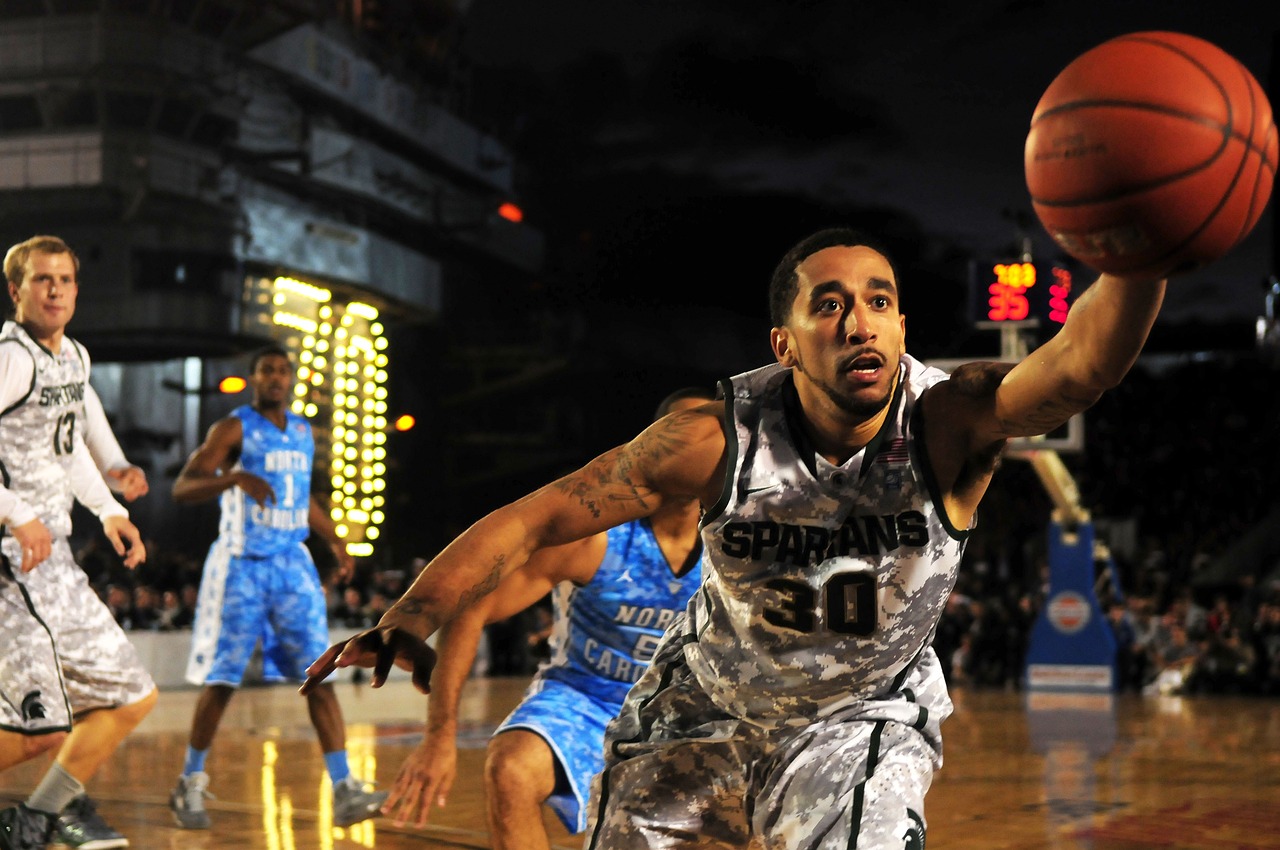
The rivalry’s defining modern chapter arrived through Magic Johnson and Larry Bird. Their connection began before the NBA, when Magic’s Michigan State team beat Bird’s Indiana State team in the 1979 NCAA championship game. That matchup became one of the most important television moments in basketball history, and it carried directly into the professional game when Magic joined the Lakers and Bird joined the Celtics.
The timing mattered. The NBA entered the 1980s needing stars, stability, and national attention. Magic and Bird gave the league a perfect rivalry structure. They were different players, different personalities, and different symbols. Magic played with pace, flair, and joy in the Lakers’ “Showtime” system. Bird played with precision, toughness, and command in Boston’s half-court world. Their teams mirrored them. The Lakers wanted to run. The Celtics wanted to execute, punish mistakes, and trust their structure.
Their Finals meetings in 1984, 1985, and 1987 became the central text of 1980s NBA basketball. The 1984 Finals restored Boston’s edge in the rivalry, with physical play, late-game drama, and Bird’s Celtics asserting themselves against Los Angeles. The 1985 Finals gave the Lakers a breakthrough against Boston, ending the burden of repeated Finals losses to the Celtics. The 1987 Finals confirmed the Lakers as the defining team of the decade, with Magic’s famous junior skyhook in Boston standing as one of the rivalry’s signature moments.
What made the Magic-Bird era so powerful was not just the basketball quality. It gave the NBA a national narrative that casual fans could immediately understand. Lakers-Celtics was style against style, coast against coast, star against star, and past against future. The rivalry helped turn the NBA into a television-driven league built around personalities, storylines, and championship stakes.
Why Lakers-Celtics as American Basketball Mythology Still Endures
The rivalry endured because it kept renewing itself. In the 2000s, Kobe Bryant and the Lakers met the rebuilt Celtics of Paul Pierce, Kevin Garnett, Ray Allen, and Rajon Rondo in two more Finals. The 2008 Celtics restored Boston’s championship identity with defense, intensity, and veteran urgency. The 2010 Lakers answered with a seven-game Finals victory that became one of Kobe’s defining achievements and a modern continuation of the old rivalry.
Those meetings mattered because they proved Lakers-Celtics was not trapped in nostalgia. The uniforms still carried weight. The banners still mattered. The old footage still shaped the emotional stakes. But the rivalry could still produce new pain, new triumph, and new arguments for a different generation.
Lakers-Celtics also became the NBA’s clearest way of measuring franchise greatness. Championship counts, retired numbers, all-time teams, Finals history, and star legacies all run through the comparison. The rivalry connects Russell, Baylor, West, Wilt, Kareem Abdul-Jabbar, Magic, Bird, Shaquille O’Neal, Kobe, Pierce, Garnett, and LeBron James into one long historical chain. Few rivalries in American sports can connect so many eras without losing coherence.
That is why the matchup remains powerful even when both teams are not elite at the same time. Lakers-Celtics is never only about the current roster. It is about accumulated meaning. Every new meeting sits on top of decades of Finals footage, iconic calls, famous shots, and championship debates.
Lakers-Celtics became American basketball mythology because it gave the NBA its most durable rivalry language. It turned franchises into symbols, stars into era markers, and Finals meetings into historical chapters. Other teams have had great runs and heated rivalries, but Lakers-Celtics remains the league’s central myth because it tells the NBA’s story across generations.