Prison basketball culture matters because the game carries a different weight inside correctional spaces. On the outside, basketball can be recreation, entertainment, identity, or ambition. Inside prison, it can become structure: a way to compete, earn respect, manage time, build routine, and preserve a sense of self. The court becomes one of the few places where movement, skill, communication, and discipline can reshape the atmosphere. Prison basketball is not separate from the larger basketball world. It reflects the same forces that define the sport everywhere else: hierarchy, creativity, teamwork, reputation, and the search for freedom within limits.
The Court Becomes One of the Few Open Spaces
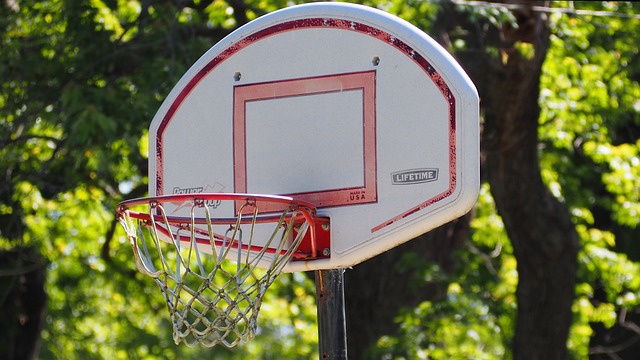
Basketball fits prison life in a way few sports can. It does not require a large field, expensive equipment, or a full roster of specialized positions. A hoop, a ball, and enough space can create a game. That simplicity matters in places where space, choice, and personal movement are restricted.
The prison court often becomes more than a recreation area. It is a social space with its own rhythms and rules. Players learn who can shoot, who defends, who talks, who leads, and who has earned trust. Reputation forms quickly because basketball reveals habits. A player who shares the ball, competes hard, keeps composure, and respects the game can gain standing. A player who forces shots, avoids defense, or disrupts the run can lose it just as quickly.
That is part of what makes prison basketball culture distinct. The game gives people a way to be known for something other than their case, sentence, or institutional number. For a few possessions at a time, identity can move through footwork, effort, passing, defense, and shot-making. The court does not erase confinement, but it creates a space where skill and discipline can still speak.
Basketball also brings order to time. In prison, time can become heavy and repetitive. A scheduled game, a daily run, or a tournament can give shape to the day. Players train, wait for matchups, talk about teams, replay mistakes, and build routines around improvement. The sport becomes a clock inside the larger clock.
Prison Basketball Culture Runs on Respect and Accountability
Prison basketball culture is often built around respect because the game requires constant negotiation. Every possession involves contact, disagreement, calls, fouls, and emotional control. In a confined environment, those moments matter. A hard foul, a disputed call, or a heated exchange has to be managed. The game depends on players understanding the line between intensity and escalation.
That makes basketball a test of accountability. Players have to control their bodies, their words, and their reactions. They have to accept calls, adjust to teammates, and handle losing. The best players are not always only the most talented. They are often the ones who can keep the game together while still competing seriously.
The court also creates leadership opportunities. Older players can guide younger ones. Skilled players can teach. Teams can form around trust rather than background. In that sense, prison basketball can become a small community inside a larger institution. It gives people a way to communicate through shared effort rather than only through status or survival.
The game’s language helps too. Basketball has its own vocabulary: screens, cuts, spacing, help defense, box outs, switches, mismatches. That language creates a shared structure. A player who learns how to rotate defensively or make the extra pass is not just learning basketball. He is practicing awareness, timing, patience, and cooperation.
That is why the sport can carry rehabilitative meaning without becoming sentimental. Basketball does not magically solve the realities of incarceration. But it can create moments where responsibility is visible. A teammate misses a rotation. A player takes a bad shot. Someone loses focus. The consequences arrive immediately, and the group responds. The game teaches in real time.
Why Prison Basketball Culture Belongs in the Larger Basketball Story
Prison basketball culture belongs in the larger basketball story because basketball has always thrived in places where people adapt the game to their environment. The sport lives in NBA arenas, college gyms, schoolyards, driveways, church leagues, military bases, playgrounds, and recreation yards. Each version changes the meaning of the game without breaking its connection to the whole.
Inside prisons, basketball shows the sport’s ability to create dignity through structure. The same skills that matter outside still matter inside: touch, vision, toughness, conditioning, communication, and feel. The court rewards preparation and exposes shortcuts. It gives people a way to build identity around effort and craft.
It also shows why basketball has become one of the world’s most portable sports. The game can shrink or expand depending on the space available. It can be played as one-on-one, three-on-three, full court, half court, organized league, or informal run. That flexibility allows it to survive in places where other sports cannot easily fit.
For pro basketball fans, prison basketball also offers a reminder that the sport’s meaning is not limited to the highest level. The NBA represents basketball at its most visible, but the game’s cultural power comes from everywhere it is played. A jump shot in a prison yard does not carry the same stakes as an NBA playoff possession, but it can carry enormous meaning for the person taking it.
Prison basketball culture is ultimately about what the game can hold. It can hold competition, frustration, pride, discipline, memory, and hope. In a place defined by restriction, basketball creates a pocket of movement. That does not make the court free, but it does make it meaningful.