Hakeem, Mutombo, and the African NBA pipeline are connected by more than geography. Hakeem Olajuwon and Dikembe Mutombo reached the NBA from different countries, different basketball backgrounds, and different developmental paths, but together they changed how the league viewed African talent. Olajuwon became one of the most skilled centers in basketball history. Mutombo became one of the sport’s defining defenders and ambassadors. Their careers gave NBA teams proof that African players could be franchise stars, defensive anchors, cultural figures, and long-term investments. The modern African NBA pipeline did not begin with one player, one academy, or one draft class. It grew from the visibility that pioneers like Olajuwon and Mutombo created.
Before the African NBA Pipeline Had a Structure, Hakeem and Mutombo Became Proof
When Hakeem Olajuwon arrived in the United States from Nigeria, he was not entering a polished NBA pipeline. His basketball development accelerated at the University of Houston, where his footwork, timing, athleticism, and instincts turned him into one of college basketball’s most dominant big men. By the time the Houston Rockets selected him first overall in the 1984 NBA Draft, Olajuwon had become a rare prospect: a center with elite physical tools and a fast-growing technical game.
Dikembe Mutombo’s path from the Democratic Republic of the Congo was different. He came to Georgetown, developed under John Thompson, and became one of the most imposing defensive players in college basketball. His shot-blocking, size, and presence made him a top NBA prospect, but his eventual importance stretched beyond defense. Mutombo became a symbol of how basketball could connect African players to American college programs, NBA teams, and global humanitarian work.
Neither player arrived through the kind of organized infrastructure that now exists around international basketball. There was no Basketball Africa League, no NBA Academy Africa, and no widespread expectation that African prospects would be scouted as part of a formal global talent strategy. Olajuwon and Mutombo were early examples of what could happen when exceptional talent found the right opportunity, coaching, and platform.
That mattered because the NBA needed evidence before it changed behavior. Teams do not usually transform scouting habits because of theory. They change when players make the old assumptions impossible to defend. Olajuwon and Mutombo did that in different ways.
Hakeem and Mutombo Made African Centers Impossible to Overlook
Olajuwon’s NBA career became the fullest expression of what an African superstar could be. He was not simply an athletic big man. He was a complete center with footwork, touch, balance, timing, and defensive range. His “Dream Shake” became one of the most recognizable moves in basketball, but his greatness was not built on one signature skill. He could score in the post, face up, protect the rim, switch defensively, rebound, pass, and control playoff games on both ends.
His peak with the Houston Rockets changed his place in basketball history. Olajuwon led the franchise to back-to-back NBA championships in 1994 and 1995, winning Finals MVP in both runs. He became the centerpiece of title teams, not a supporting figure or a novelty. That distinction mattered for how African players would later be imagined by scouts, coaches, and fans. He showed that an African-born player could be the best player on a championship team.
Mutombo changed the conversation in another direction. Where Olajuwon’s legacy centered on two-way skill and championship dominance, Mutombo’s centered on defense, longevity, presence, and global identity. His shot-blocking made him one of the most feared rim protectors in league history. His finger wag became part of NBA visual culture, but the gesture only lasted because the defense behind it was real.
Mutombo also carried a public role that extended beyond the floor. He became one of the league’s most visible African ambassadors, using his platform to support humanitarian work and health care projects in the Democratic Republic of the Congo. That made his legacy different from a standard Hall of Fame résumé. He helped make African basketball visible not just as a source of talent, but as part of the NBA’s broader global responsibility and reach.
Together, Olajuwon and Mutombo gave the league two powerful models. One was the African-born franchise superstar whose skill could define an era. The other was the African-born defensive anchor whose impact connected basketball excellence to international leadership. The pipeline that followed needed both examples.
The African NBA Pipeline Now Runs Through More Than One Path
The modern African NBA pipeline is much more organized than it was when Olajuwon and Mutombo entered the league. Today, African players can emerge through American high schools, NCAA programs, European clubs, NBA academies, Basketball Without Borders, the Basketball Africa League, and national-team systems. The path is still uneven, but it is far more visible.
That visibility has changed how African prospects are discussed. Players from Nigeria, Cameroon, Senegal, South Sudan, the Democratic Republic of the Congo, and other countries are no longer treated only as isolated discoveries. They are part of a larger basketball map. Joel Embiid, Pascal Siakam, Serge Ibaka, Luol Deng, Gorgui Dieng, Bismack Biyombo, Precious Achiuwa, Jonathan Kuminga, and others have all added different layers to the story.
The pipeline is not just about producing centers, either. Olajuwon and Mutombo were big men, and African NBA history is rich with frontcourt talent, but modern African basketball is not limited to one position. The broader development of guards, wings, shooters, and playmakers will shape the next stage of the story. That is part of why infrastructure matters. More organized development gives more types of players a chance to be seen.
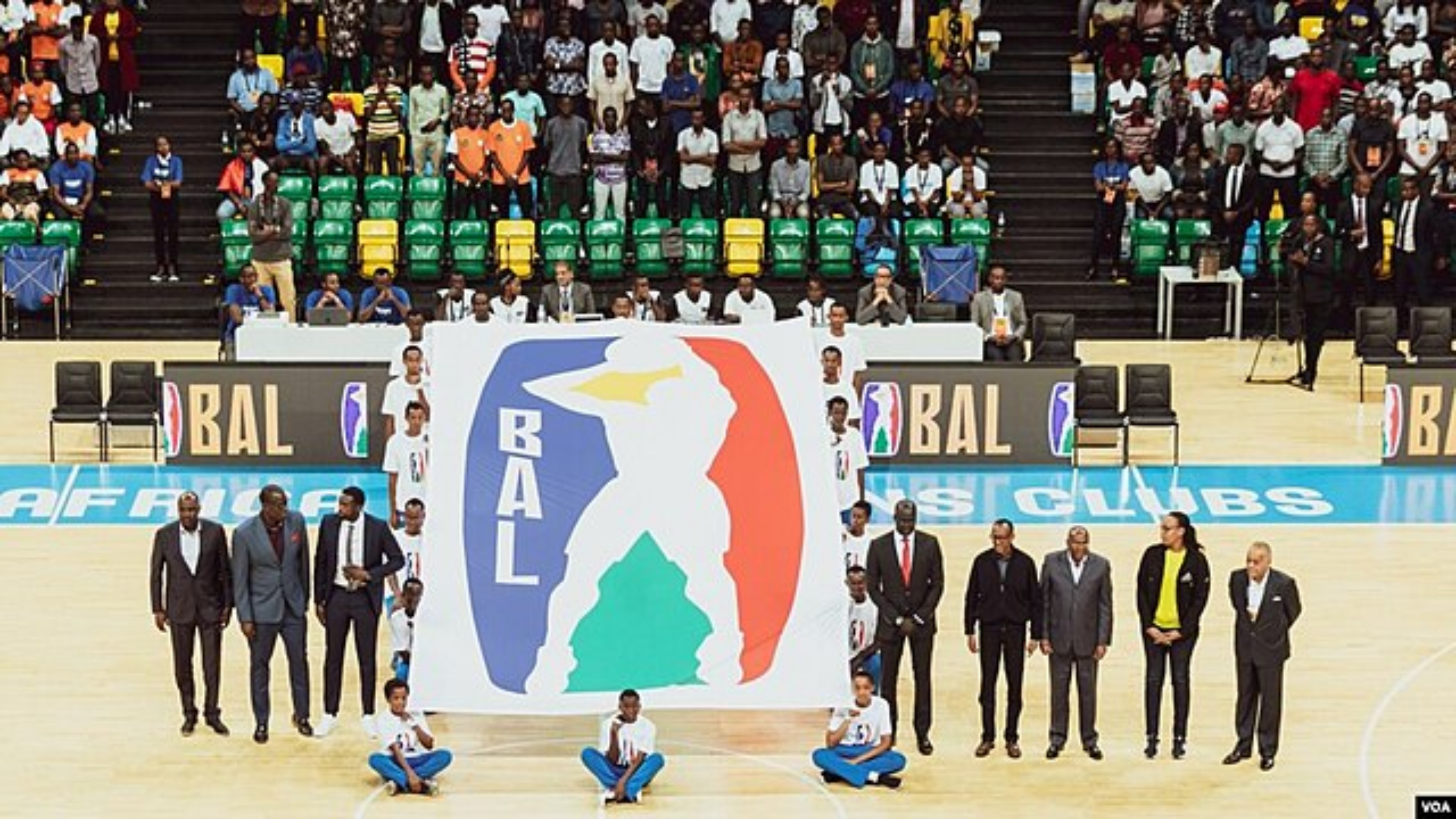
The NBA’s investment in Africa also reflects a larger shift in how the league sees its future. Africa is not only a talent source. It is a basketball market, a development region, a fan base, and a long-term strategic priority. The rise of the Basketball Africa League and NBA Academy Africa shows that the league now understands African basketball as something to build with, not just something to scout from.
Olajuwon and Mutombo did not create all of that infrastructure. Their careers came before much of it existed. But they made the idea easier to believe. They gave the league proof that African players could shape teams, win awards, lead franchises, anchor defenses, and represent basketball on a global stage.
Hakeem Olajuwon and Dikembe Mutombo remain central to the African NBA pipeline because they turned possibility into precedent. The modern system is bigger, deeper, and more organized than the one they entered, but their careers still sit near the foundation. Before African basketball became a strategic priority for the NBA, Olajuwon and Mutombo made it impossible to ignore.